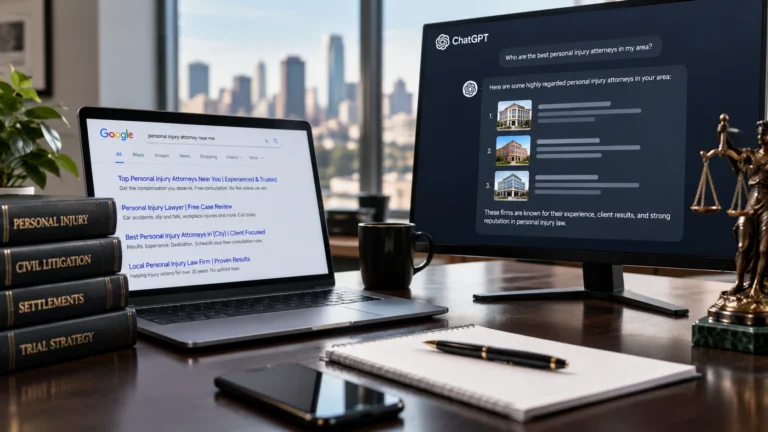
Search engine optimization (SEO) is shifting as artificial intelligence (AI) becomes embedded in search systems. This alters how users find information and forces businesses to revise visibility tactics. This article outlines the core differences between AI search and traditional SEO, explains Answer Engine Optimization (AEO), and highlights practical steps to improve zero‑click presence and semantic relevance.
What Defines AI Search Compared to Traditional SEO?
AI search applies machine learning and natural language understanding to infer intent and context, moving beyond exact keyword matches and pure backlink signals. The emphasis shifts from optimizing isolated keywords to creating content that matches user needs and queries in context.
How Do AI Search Algorithms Transform Search Results?
Modern AI models learn from large interaction datasets to predict relevance and personalise results. Unlike static ranking algorithms, they adapt based on user behavior and contextual signals, producing more dynamic SERP outcomes.
What Role Does Semantic Search Play in AI-Driven Optimization?
Semantic search focuses on meaning and context rather than keyword frequency. Optimising for semantic relevance — clear intent, related terms, and useful context — improves the chance that AI systems will surface your content for relevant queries.
Why Is Answer Engine Optimization Essential in the AI Search Era?
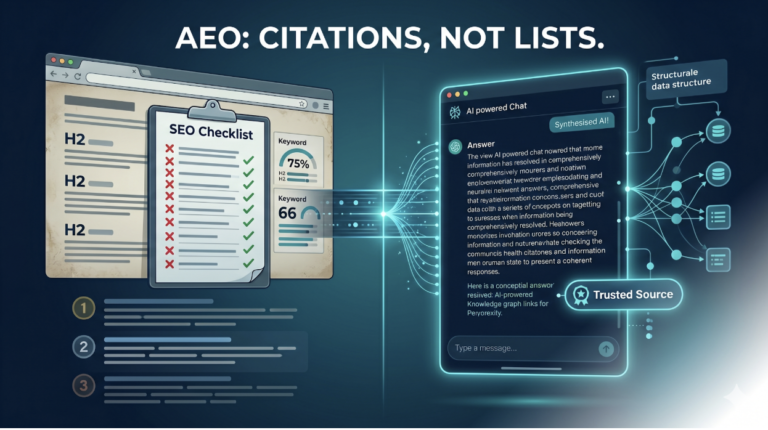
Answer Engine Optimization (AEO) prepares content to be extracted by search engines as direct answers or featured snippets. With more zero‑click results, structuring clear, extractable answers becomes a primary visibility tactic.
Recent research further articulates the shift from traditional SEO to AEO.
Generative AI Transforms SEO to Answer Engine Optimization
AI‑driven search engines increasingly deliver direct, synthesized answers rather than traditional links, driving a change in search visibility from Search Engine Optimization (SEO) to Answer Engine Optimization (AEO).
From Seo to Answer Engine Optimization (AEO)
Generative Ai and the Transformation of Search Visibility, H Karamuk, 2025
How Does Answer Engine Optimization Improve Zero-Click Search Visibility?
AEO boosts zero‑click presence by using structured data, concise headings, and short, direct answers to common questions. These formats increase the likelihood of appearing in featured snippets and other SERP features that deliver information without a click.
Studies corroborate the growing importance of AEO amid rising zero‑click search behaviour.
AI Search Impact on SEO: Rise of Answer Engine Optimization
Answer Engine Optimization (AEO) has become critical. This study confirms a growing shift toward zero-click, challenging businesses to maintain visibility when search engines bypass their websites.
The impact of AI-powered search on SEO: the emergence of answer engine optimization, 2025
What Are Effective Semantic Search Optimization Techniques?
Combine structured data, clear question‑and‑answer blocks, and naturally varied language. Provide thorough, audience‑focused content that answers likely queries directly while using synonyms and contextual detail to signal relevance to AI systems.
Which Zero-Click Search Strategies Enhance AI Search Performance?
Improve zero‑click outcomes by optimising for featured snippets, using Q&A formats, and presenting short, scannable answers. Clear formatting and structured markup help search engines extract and display your content prominently.
How Can Structured Data and Knowledge Graphs Boost AI SEO?
Structured data and knowledge graphs give explicit context to content and connect concepts, increasing the chance of rich snippets and better AI understanding of entity relationships.
What Are Best Practices for Voice Search SEO in AI Environments?
Voice SEO requires natural phrasing, long‑tail queries, and succinct answers. Focus on conversational language and local intent where applicable to capture voice queries.
How Should Businesses Adapt to the Shift from Traditional SEO to AI Search?
Businesses should prioritise high‑quality, intent‑aligned content, adopt AEO practices, and implement structured data. The shift demands aligning content with user needs and measuring visibility beyond clicks.
The transition is important because generative AI and zero‑click formats can materially affect traffic and traditional business metrics.
Generative AI, Zero-Click Search & Business Model Impact
This study examines the impact of generative AI and zero‑click search on website traffic and the business models of online media. As AI‑powered search shifts from providing links to delivering synthesized answers directly on SERPs, traditional metrics such as click‑through rates and site visits decline. The paper highlights a behavioural shift from exploratory browsing to instant answers and discusses implications for ad‑based and subscription revenue models.
Generative Artificial Intelligence and Zero-Click Search, N Herari, 2025
What Are Key Metrics to Monitor AI Search Optimization Success?
Track organic traffic, click‑through rates, user engagement, and featured‑snippet or zero‑click appearance rates. Use these signals to refine content and AEO tactics.
How Do Case Studies Demonstrate the Impact of AI Search Strategies?
Case studies show practical gains: implementing AEO frequently increases zero‑click exposure and can drive more qualified traffic and conversions despite fewer raw clicks.
| Strategy | Mechanism | Benefit |
| AEO Techniques | Structured content | Increased visibility in zero-click results |
| Semantic Optimization | Contextual relevance | Improved user engagement |
| Structured Data | Clear information | Enhanced search engine understanding |
The table summarises key AI search strategies and their complementary roles. To deepen implementation knowledge, consult experts such as Elite AEO Labs, which offers services for modern search challenges.
Organisations seeking to advance AI search optimisation should remain adaptable. Engaging a specialised agency can provide tailored strategy and implementation support. Contacting Elite AEO Labs can offer bespoke guidance to improve visibility and engagement.
Frequently Asked Questions
What is the difference between AI search and traditional SEO?
AI search emphasises intent and contextual signals using adaptive models; traditional SEO emphasises keywords and backlinks. The result is a need to prioritise content that satisfies intent over keyword density.
How can businesses measure the effectiveness of their AI search strategies?
Monitor organic traffic, engagement, click‑through rates, and featured‑snippet/zero‑click metrics. Iterate based on which content formats perform in AI results.
What challenges do businesses face when transitioning to AI search?
Challenges include shifting resources toward AEO, updating measurement approaches as clicks decline, and adapting content to intent and context.
How does voice search impact AI search optimization?
Voice search increases the importance of natural language and concise answers, often with local or mobile context — optimise content accordingly.
What role does user experience play in AI search optimization?
UX matters because engagement signals influence AI systems. Fast, navigable pages and clear content improve user satisfaction and search outcomes.
What are the implications of zero-click searches for businesses?
Zero‑click results can reduce site visits but increase brand visibility on SERPs. Mitigate impact by optimising for featured snippets and direct answers to retain prominence.
Conclusion
To remain competitive, adopt AI search practices and AEO: align content with intent, use structured data, and format answers for extraction. Maintain flexibility and, where appropriate, partner with specialists to implement effective AI‑era visibility strategies.